
Muscle Recovery: How to Support Your Body Beyond the Massage Table

Updated: Oct 7
If you’ve ever left a session feeling looser and lighter (and maybe massage drunk) just to feel stiffness and tightness, come back days / weeks later, you’re not alone. Massage therapy helps release tension, improve circulation, and reset your muscles… but what you do between sessions plays a huge role in how well your body actually recovers and stays that way! Let’s break down what’s happening in your muscles and how nutrition, hydration, and a few key supplements can support long-term relief and performance. |

What’s Actually Happening in Your Muscles? |
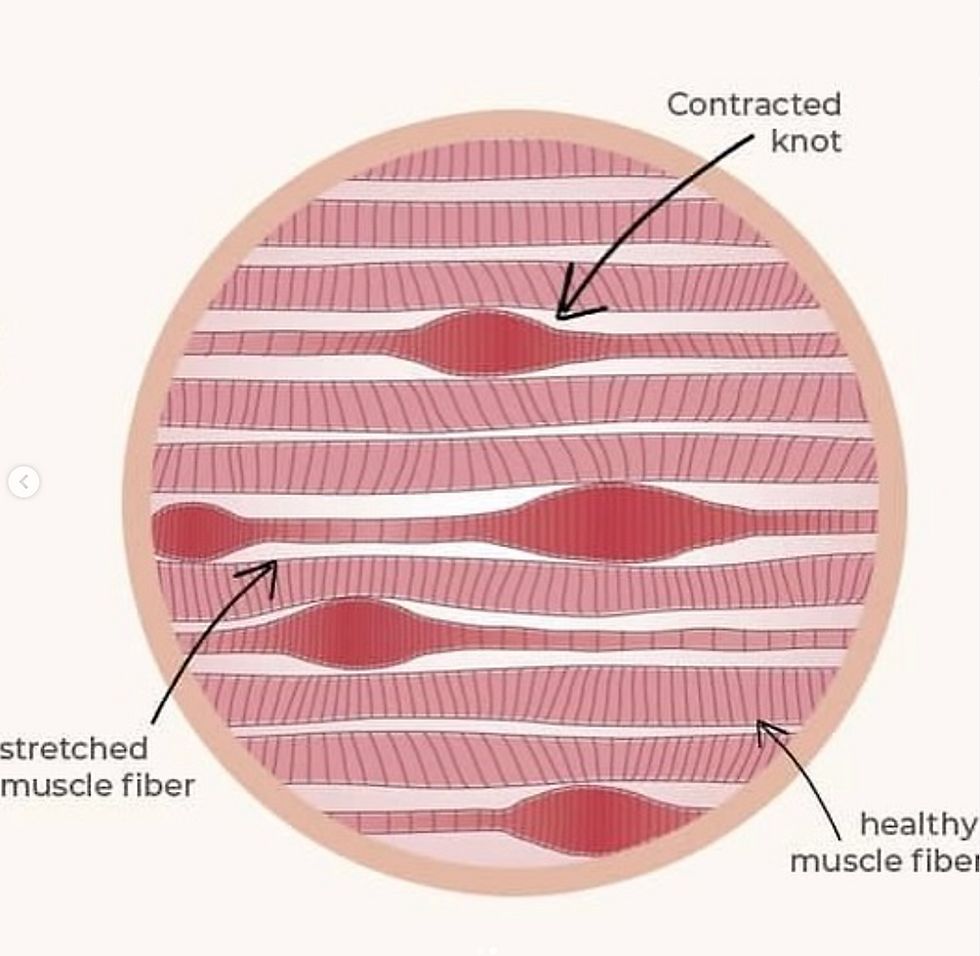
When muscles are overused, stressed, or held in the same position for long periods (hello desk work, workouts, or repetitive movements), tiny micro-tears occur in the muscle fibers. This is completely normal. Your body then: Repairs those fibers Rebuilds them stronger Adapts to better handle future stress But when recovery is incomplete—due to poor nutrition, dehydration, or chronic stress—those muscles can stay tight, inflamed, and prone to knots or trigger points. That’s where we start to see: Chronic stiffness Limited range of motion Persistent “tight spots” that never fully go away |
The Missing Piece: Recovery Support |
Massage helps stimulate blood flow and release tension, but your body still needs the raw materials to rebuild and repair properly. 1. Protein (Your Muscle Repair Foundation) Muscle tissue is made of protein, so getting enough daily is essential. Aim for a consistent intake throughout the day Focus on high-quality sources: eggs, chicken, turkey, Greek yogurt, lean beef, or protein powders. Without enough protein, your body simply can’t rebuild efficiently which can lead to prolonged soreness and tightness. |
2. HydrationDehydrated muscles are tight muscles. Your fascia is made up of almost 70% water as well - hydration isn't even an option! It's essential. Water helps: Deliver nutrients to muscle tissue Flush out metabolic waste Maintain elasticity and function When you’re under-hydrated, muscles become more prone to: Cramping Stiffness Trigger points Simple goal: Aim for at least half your body weight (in ounces) of water daily—and more if you’re active or use a sauna regularly. Adding a pinch of high-quality salt or electrolytes can also improve absorption and hydration at the cellular level. I personally am a huge fan of coconut water if I get bored of "plain" water. And check the quality of your electrolyte brands too. There are different markers such as ratios of sodium : potassium : magnesium, sugar content and ingredient quality. The brand I use is ATH Lytes - high electrolyte count, sweetened with organic monk fruit, Himalayan salt and no additives. (below) |

Top 3 Supplements for Muscle Recovery |
These are simple, effective, and widely supported for helping your muscles recover, relax, and perform better: 1. Magnesium (Your Muscle Relaxation Mineral)Magnesium plays a huge role in muscle contraction and relaxation. Benefits: Reduces muscle tightness and cramping Supports nervous system regulation Can improve sleep (which is when recovery happens most) (If you're having trouble with sleep, look into Magnesium Threonate) Look for: magnesium glycinate or citrate or a supplement that offers a mix. Best taken: in the evening |
2. Omega-3 Fatty Acids (Inflammation Support)Found in fish oil, omega-3s help reduce inflammation caused by muscle damage. Benefits: Supports joint and tissue health Reduces soreness and stiffness Helps muscles recover more efficiently |
3. Creatine (Not Just for Bodybuilders!!)Creatine helps your muscles produce energy and recover faster - it's not just for athletes. Benefits: Supports muscle repair and strength Helps reduce fatigue May improve muscle endurance and resilience It may also help with cognition / brain health in higher amounts. Safe (your body naturally produces creatine already) well-researched, and effective for both active and everyday individuals. |
Bringing It All Together |
If you’re dealing with: Chronic tightness Recurring knots or trigger points Stiffness that keeps coming back …it’s likely not just a “muscle issue”—it’s a recovery issue. Massage therapy + proper recovery support = lasting results = happier you :) Your Simple Recovery Checklist ✔ Eat enough protein daily ✔ Stay consistently hydrated ✔ Consider adding magnesium, omega-3s, and creatine ✔ Keep up with regular bodywork |
Your body wants to feel good long after the massage - it may need extra support to do so. Always check with your primary care physician if you have questions or concerns about which supplements may be best for you! Thank you for letting me be of service 🤍 Morgan |


Comments